Sydney businesses must ensure that they are adequately protected from fire. This isn’t only to ensure compliance with law, but also for their employees, clients and their property. A lot of the dangers that could arise from the fire could be avoided or reduced with the correct precautions. Inspections for fires, regular testing and marking of electrical systems and conformity with CFSP regulations all work to ensure a safe environment and ensure that businesses stay in compliance with local regulations and Building Code of Australia (BCA) standards.
Fire inspections are why they are the cornerstone of safety
Fire inspections are the very first line of defense against dangers. Inspections are conducted to ensure that the fire protection system in a building is up-to-date and functioning. Businesses operating in Sydney are required to perform inspections every six or twelve months every year, depending on the type of building and the regulations of the council. Inspections typically cover everything from fire alarm panels to sprinkler systems, to smoke alarms, fire hydrants, extinguishers, as well as emergency lighting.
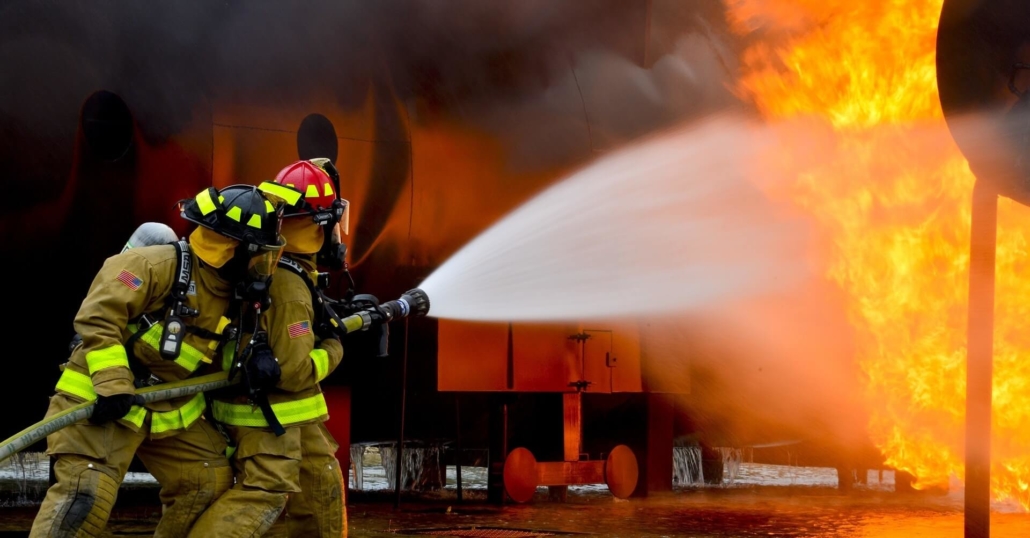
Inspections are crucial since they can reveal unnoticed problems before they become hazardous. In a crisis the smallest flaws in a smoke detector, or the fire hydrant’s condition could appear insignificant. Regular inspections of fire hazards are a proactive way for businesses to not only ensure they meet their obligations to comply and protect themselves from the possibility of unplanned disasters.
Test and Tag Test and Tag: Resolving Hidden Electric Risks
Electrical systems are one of the leading causes of workplace fires, which is why testing and tagging should always be part of a fire safety plan. This process involves checking the electrical equipment to make sure it’s safe and functional and in compliance, followed by affixing a visible tag to indicate that the item has passed inspection. This is a requirement that is often not a simple one. For many companies it’s a way to protect themselves from any potential dangers.
Old, worn-out, or unchecked cables, appliances with problems or outdated wiring could rapidly become fire hazards. Businesses can minimize the chance of fires by testing regularly and tagging electrical equipment. The employees are also assured that the workplace is safe. This builds a sense of trust and confidence in the workplace. In conjunction with fire inspections and testing, this complete safety strategy minimizes risk from multiple angles.
The job of CFSP is to ensure compliance and certification
In New South Wales only a Competent Fire Safety Practitioner (CFSP) can be accredit or sign vital documents for fire safety, like the Annual Declarations on Fire Safety. The introduction of CFSP accreditation has raised the standard of fire safety, ensuring that only professionals with the appropriate qualifications evaluate and validate safety measures. The use of a CFSP assures that reports and inspections aren’t just paperwork, but reliable evaluations by experts.
The role of a CFSP is more than just the mere ticking of boxes. They evaluate the effectiveness and condition of fire protection systems and present comprehensive report. They also ensure the compliance of regulatory requirements. Without CFSP certification, companies risk fines, legal complications, and even closure if security measures for fire are judged to be inadequate. By partnering with professionals accredited in fire safety, you will be able to ensure that your systems are properly maintained. Also, you’ll be able to fulfill all compliance requirements without unnecessary stress.
Safety in the Fire Service as an Ongoing commitment
Each business owner is responsible for ensuring that they have a obligation to ensure that fire safety is a priority. Regular inspections, constant examination of electrical systems and a valid certification under CFSP surveillance create a loop of safety that never stops. Beyond compliance with law and ongoing monitoring, this approach helps to create a culture of safety within the workplace. Employees feel secure knowing that clear evacuation procedures are in place, smoke alarms are functional and the emergency lighting has been tested, and fire suppression systems are ready for use.
Fire safety is a ongoing process, not a checklist that companies must check each year. This lowers the risk and improves the image of a company. If safety is a priority, clients and customers are more comfortable. Proactive, long-term fire protection can save money through preventing expensive damage such as fines, legal fights or fines. It also safeguards everyone in the building.
Conclusion
Sydney’s fire safety is an intricate process that includes inspections, testing, tagging and the professional certification of a CFSP. Each element plays a vital role in ensuring businesses are in compliance to regulations and, most crucially, in ensuring properties and individuals are secured. Companies that place safety as an essential aspect of their work and not just a side note will comply with their legal obligations as well as ensure a stable and secure environment.